

What Are Trigger Points?
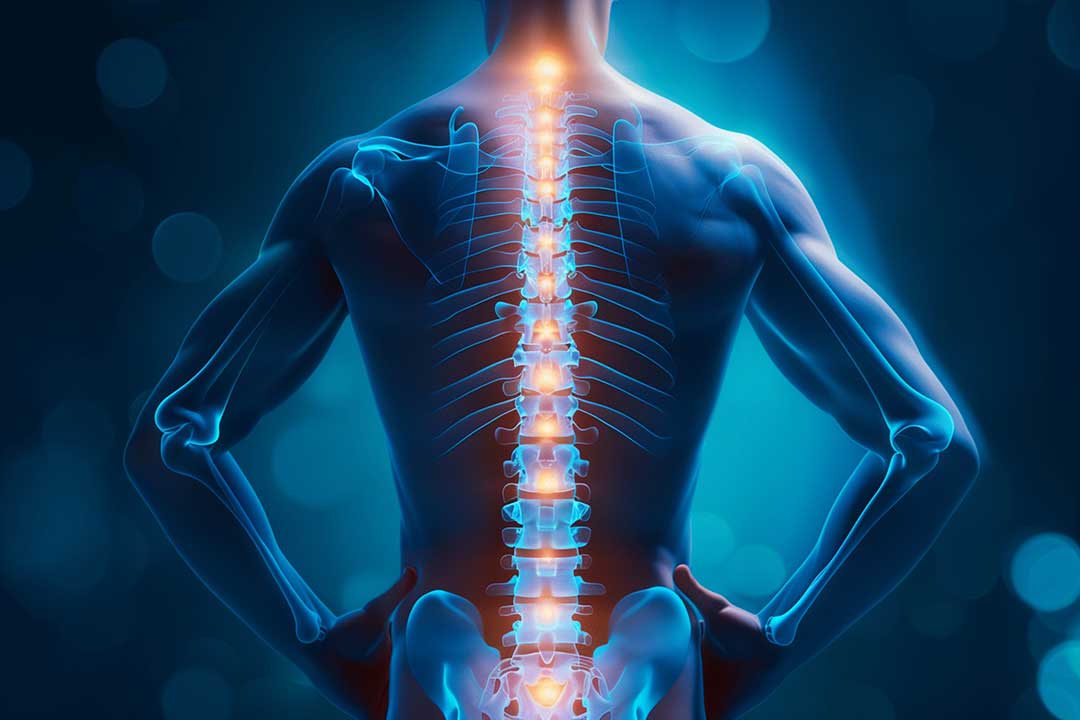
Trigger points are small, sensitive areas of muscle tissue that can cause pain either at the site or in other parts of the body. These spots, sometimes called "muscle knots," often feel like firm bumps beneath the skin and can be particularly tender to the touch. While anyone can experience them, people who spend long periods sitting, have repetitive strain from physical work, or engage in intense activities are more likely to notice trigger points.
How Do Trigger Points Cause Pain?
Trigger points disrupt the normal function of muscle fibers, leading to stiffness, soreness, and discomfort. They can send pain to a different region—this is called referred pain. For example, a trigger point in the shoulder area might cause aching sensations down the arm or into the neck. People in the area sometimes mistake this type of pain for joint or nerve problems, when it's actually originating in the muscle.
Common Causes in the Community
Residents of Ossining experience unique factors related to lifestyle, weather, and housing that may influence muscle pain. Cooler months, for instance, can lead to increased muscle tension as people brace against the cold on long walks or while doing outdoor chores. Many local households have older homes with stairs or less ergonomic home office setups, which can contribute to posture-related strain. Common causes of trigger points in the community include:
- Poor posture from computer work, especially in makeshift home offices
- Carrying heavy grocery bags or shoveling snow
- Regular gardening or yard work
- Long commutes, leading to prolonged sitting
How Can You Tell If You Have a Trigger Point?
A trigger point typically feels like a hard, sensitive nodule or bump in a muscle. Pressing on it usually causes localized pain but may also trigger discomfort in a seemingly unrelated area. Common signs include:
- A dull, aching pain that doesn't improve with standard rest
- Muscle stiffness that limits movement
- Increased soreness in specific muscles after routine daily activities
A common misconception among area residents is that all muscle pain comes from injuries. In reality, many types of soreness or stiffness that last more than a few days are related to trigger points rather than a new injury.
Safe Ways to Manage Muscle Knots at Home
Mild trigger points can often be managed with consistent self-care. Safe approaches include:
- Gentle stretching of the affected muscle, paying attention not to force through sharp pain
- Applying heat packs to help muscles relax, particularly during colder months
- Using a foam roller or a tennis ball to gently massage sore areas
- Regular movement breaks if sitting for long periods, such as during remote work or long drives
Few realize that overusing massage tools or pressing too aggressively can actually aggravate a trigger point, making the pain worse. Moderation and gentle pressure are often more effective.
When Should Residents Seek Help?
In most cases, trigger point pain improves with home care. However, certain situations call for professional assessment:
- Sudden weakness or numbness along with muscle pain
- Muscle pain after a significant accident or injury
- Persistent pain that disrupts normal sleep or daily life for multiple weeks
If muscle aches seem to be spreading, or if at-home care is not improving symptoms at all, advice from a qualified health provider may be advised, especially if underlying conditions like arthritis are present.
Keeping Muscles Healthy as Seasons Change
Transitioning between Ossining's seasons often affects how muscles respond to daily demands. During colder, damper seasons, muscles tend to tighten more quickly, and household chores like snow removal or raking leaves demand extra effort. Layering warm clothing, taking stretch breaks during outdoor tasks, and adjusting schedules to limit long bouts of physical strain can help reduce discomfort. Maintaining hydration and using supportive footwear—even indoors—can also help keep muscles resilient during weather changes.
Myths and Facts About Muscle Pain and Trigger Points
*Myth:* All persistent muscle pain means a serious injury.
*Fact:* Many cases are due to minor strains or trigger points rather than major injuries.
*Myth:* Only athletes or active people develop muscle knots.
*Fact:* Office workers, retirees, and even teens can experience them, especially with modern screen time habits.
*Myth:* You should avoid using a painful muscle entirely.
*Fact:* Gentle movement often helps muscles recover faster than complete rest.
Understanding the real cause of sore muscles helps local residents choose effective, practical steps for comfort and long-term health.
