
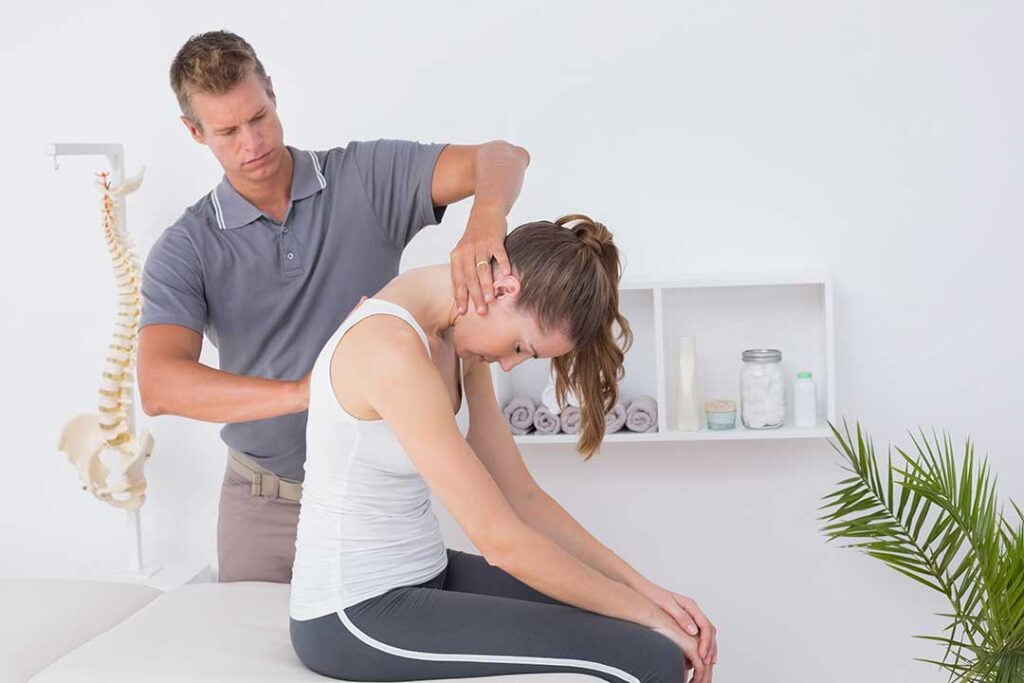
A minor back strain often improves with simple home care, especially when pain begins after lifting, shoveling, gardening, exercise, or an awkward movement. The safest approach is usually short-term activity modification, comfortable movement, and careful use of cold or heat—not prolonged bed rest.
A strain involves overstretched or irritated muscles and connective tissues. It may cause localized aching, stiffness, muscle spasm, or pain that worsens with bending, lifting, or changing position. These symptoms can overlap with more serious conditions, so home remedies are appropriate only when the pain is mild and there are no warning signs.
What should be done during the first day or two?
For the first 24 to 48 hours, stop the activity that triggered the pain and avoid lifting, repeated bending, twisting, or strenuous exercise. This does not mean staying in bed all day. Brief periods of rest can calm symptoms, but extended bed rest may increase stiffness and slow recovery. ([niams.nih.gov](https://www.niams.nih.gov/health-topics/back-pain/diagnosis-treatment-and-steps-to-take?utm_source=openai))
A practical first-day routine may include:
- Take short, easy walks around the home if walking does not significantly increase pain.
- Change positions regularly instead of sitting or lying in one position for hours.
- Use a cold pack wrapped in a thin towel for about 10 to 20 minutes at a time.
- Repeat cold treatment several times during the day, leaving enough time between applications for the skin to return to normal temperature.
- Avoid placing ice directly against the skin.
Cold can temporarily reduce pain and inflammation, particularly soon after an awkward lift or sudden movement. If cold makes the muscles feel tighter or more uncomfortable, discontinue it and try gentle warmth later instead.
Is heat or ice better for a pulled back muscle?
Either may help, but timing and personal response matter. Cold is often more comfortable during the first day or two after a sudden strain. Heat may be more useful later for stiffness, muscle guarding, or a dull ache. Official guidance recognizes both cold packs and hot packs as reasonable options for back pain. ([niams.nih.gov](https://www.niams.nih.gov/health-topics/back-pain/diagnosis-treatment-and-steps-to-take?utm_source=openai))
Use a heating pad, warm shower, or wrapped hot-water bottle for roughly 15 to 20 minutes. The heat should feel soothing, not intense. Avoid falling asleep on a heating pad, and check the skin frequently, particularly for children, older adults, or anyone with reduced sensation.
There is no requirement to switch from ice to heat on a specific schedule. The useful question is whether the method decreases discomfort without irritating the skin or increasing symptoms.
How much movement is safe?
Gentle movement is usually better than complete immobilization. As pain allows, walk at an easy pace and perform ordinary activities that do not sharply increase symptoms. Gradually returning to movement can reduce stiffness and help restore normal function. ([niams.nih.gov](https://www.niams.nih.gov/health-topics/back-pain/diagnosis-treatment-and-steps-to-take?utm_source=openai))
For residents managing a strain after winter snow work, spring yard cleanup, or household projects, avoid testing the back repeatedly by lifting the same object “to see if it is better.” Instead:
- Break chores into shorter sessions.
- Carry smaller loads.
- Keep objects close to the body.
- Bend at the knees and hips rather than rounding deeply through the lower back.
- Turn the feet instead of twisting while carrying.
- Stop if pain becomes sharper, begins traveling down a leg, or causes weakness.
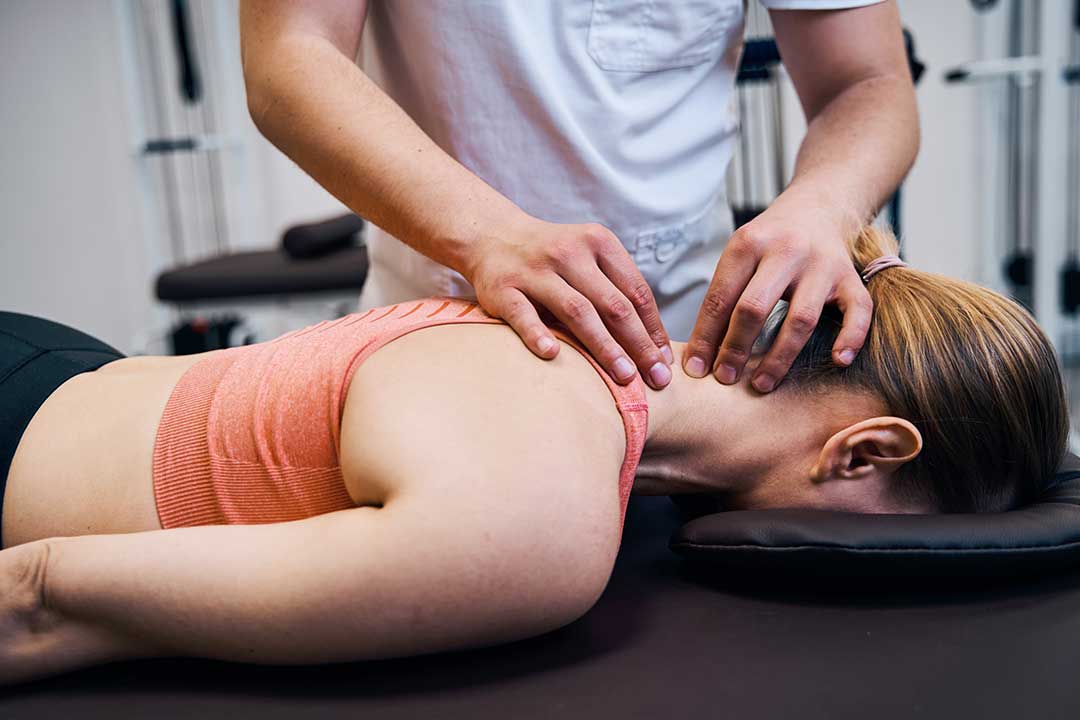
Gentle stretching may be reasonable once the initial sharpness settles, but forcing a stretch into pain can aggravate an irritated muscle. Sit-ups, heavy weightlifting, vigorous rowing, running, and twisting exercises are poor choices during the early recovery period unless a qualified health professional has specifically advised them.
Can over-the-counter medicine help?
Nonprescription pain relievers may reduce discomfort enough to make walking and normal daily movement easier. Acetaminophen and anti-inflammatory medicines such as ibuprofen are commonly used, but they are not safe for everyone. Medication choice can be affected by pregnancy, kidney disease, ulcers, blood-thinning medicine, liver disease, uncontrolled high blood pressure, allergies, and other health conditions.
Follow the product label and avoid combining medicines that contain the same active ingredient. A pharmacist or medical clinician can help determine whether a particular medicine is appropriate. Pain medicine should not be used to mask symptoms while continuing heavy lifting or strenuous exercise.
What sleeping position may be more comfortable?
There is no single correct sleeping position, but support can reduce strain. Side sleeping with a pillow between the knees may lessen twisting through the pelvis. Back sleeping with a pillow under the knees can reduce the arch in the lower back. A small rolled towel may also provide support if it feels comfortable. ([niams.nih.gov](https://www.niams.nih.gov/community-outreach-initiative/understanding-muscle-health/living-with-back-pain?utm_source=openai))
Mattresses and pillows do not need to be replaced automatically after a strain. The more useful goal is to find a position that allows relaxed breathing and does not increase pain when turning or getting up.
When is a back strain not appropriate for home treatment?
Seek urgent medical attention for back pain accompanied by new loss of bladder or bowel control, numbness around the groin or inner thighs, significant leg weakness, or difficulty walking. These symptoms can indicate nerve involvement requiring prompt evaluation. ([niams.nih.gov](https://www.niams.nih.gov/community-outreach-initiative/understanding-muscle-health/living-with-back-pain?utm_source=openai))
Prompt medical assessment is also appropriate when back pain follows a serious fall, vehicle collision, or other substantial injury; when there is fever; when pain is severe and unrelenting; or when unexplained weight loss, a history of cancer, or unusual illness is present.
A strain that is not clearly improving over several days, or that remains limiting after a few weeks, deserves evaluation. Persistent tingling, numbness, pain traveling below the knee, or repeated episodes should not simply be treated as a muscle problem. A chiropractor may be one type of clinician involved in musculoskeletal assessment, but symptoms suggesting fracture, infection, significant nerve compression, or another medical condition require medical evaluation and may need referral.
How can another strain be prevented?
Once everyday movement is comfortable, rebuild activity gradually rather than returning immediately to heavy chores. Walking, basic strengthening, and improved lifting habits can help reduce future problems. Core and hip conditioning may support the back, but exercises should be introduced progressively and stopped if they cause sharp or spreading pain.
In homes where seasonal tasks involve snow, wet leaves, gardening materials, or moving storage items, prevention often depends on pacing. Warm up with several minutes of easy movement, use manageable loads, ask for help with awkward objects, and take breaks before fatigue changes lifting technique. Regular position changes during desk work or long drives can also help limit stiffness. ([medlineplus.gov](https://medlineplus.gov/ency/article/002119.htm?utm_source=openai))
Home care is reasonable for a mild, improving strain without neurological or systemic symptoms. The combination of comfortable movement, temporary activity modification, careful cold or heat, and attention to warning signs provides a safer starting point than either pushing through severe pain or remaining in bed.
