
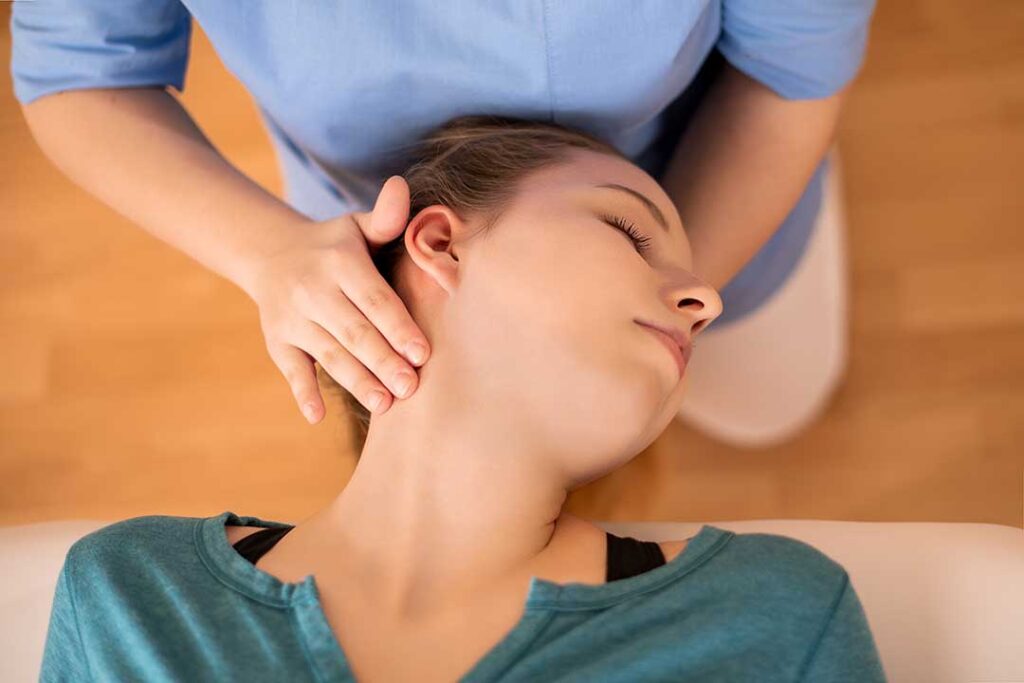
What Does Spinal Health Really Mean?
Spinal health refers to the condition of your spine, including the bones (vertebrae), discs, nerves, and surrounding muscles. A healthy spine supports every movement, protects the nervous system, and helps maintain overall body balance. For residents of Ossining, where daily routines often involve commuting, walking hilly neighborhoods, and dealing with seasonal weather changes, maintaining spinal health can directly influence comfort and physical ability.
How Does the Spine Affect Overall Well-being?
The spine serves as the central pillar for the body and plays a critical role in daily functions. When spinal health declines, it can result in pain, limited mobility, fatigue, and issues that reach beyond back discomfort.
Some of the ways spinal health influences quality of life include:
- Movement and Flexibility: Healthy spinal joints and muscles make it possible to bend, twist, lift, and move comfortably throughout the day.
- Nervous System Support: The spine protects the spinal cord, which relays messages between the brain and the rest of the body. Misalignments or injuries may cause symptoms like tingling, numbness, or slowed reaction times.
- Posture and Energy: Poor spinal alignment often leads to slumped posture and can contribute to feeling tired, especially after sitting for work or driving around the city for errands.
What Concerns Are Common Locally?
In Ossining, several lifestyle factors impact spinal health. Many adults and teens carry backpacks or shoulder bags when using public transportation or walking to school. Snowy winters, slippery sidewalks, and hilly roads also increase the risk of slips and falls that can jar the spine. Jobs in the area may range from office work with long hours at a desk to hands-on labor requiring repetitive lifting. Each situation brings specific risks for back strain or spinal misalignment.
Can Back Pain Be a Sign of Something More?
Not all back pain is serious, but persistent or severe pain can signal more than just tired muscles. Sometimes, non-spinal symptoms like headaches, arm or leg weakness, or bowel and bladder changes can indicate spinal nerve involvement. Local health agencies encourage residents to monitor recurring pain, especially if it interferes with sleep, daily routines, or necessary activities like shoveling snow or gardening.
How Can Spinal Health Issues Affect Children and Teens?
Children and teenagers are not immune to spinal health concerns. Heavy or poorly balanced backpacks, sports injuries, and rapid growth spurts can contribute to developing discomfort or early poor posture habits. Awareness of these risk factors—especially during the busy school year and sports seasons—can help families catch issues early.
Tips for local families:
- Make sure backpacks are worn with both straps and not overloaded
- Encourage movement breaks during study or screen time
- Watch for signs like uneven shoulders, persistent aches, or changes in athletic performance
What Everyday Habits Can Help Protect Spinal Health at Home?
Simple adjustments at home and around the neighborhood can support long-term spinal health:
- Use proper lifting techniques, especially when moving snow, garden materials, or groceries
- Set up workstations with supportive chairs and monitor height to avoid slouching
- Choose supportive shoes for walking city sidewalks and trails
- Stretch or warm up muscles before physical activities, especially during seasonal transitions
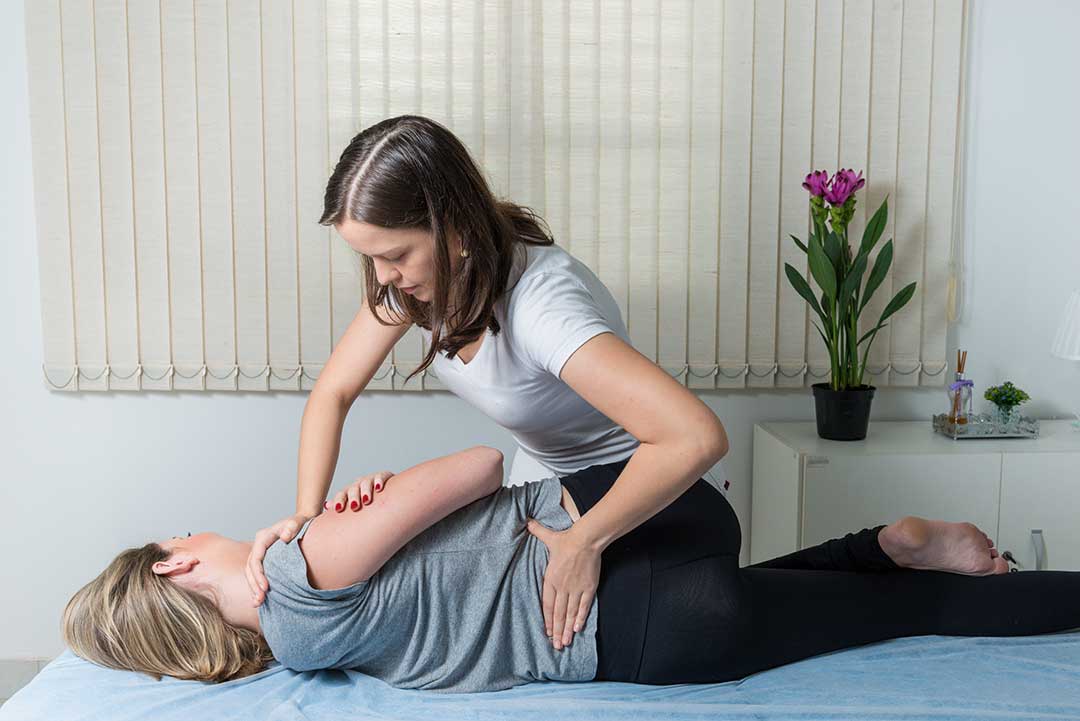
Local residents often overlook the cumulative effects of routine tasks. Repeatedly bending, lifting, or twisting without using safe body mechanics can build up and lead to discomfort or stiffness over time.
Are There Seasonal or Climatic Risks Specific to the Area?
The climate in Ossining brings unique considerations for spinal care. Cold winters can stiffen muscles and increase the likelihood of sprains from slips. Humid summers encourage outdoor activities; overexerting without preparation can lead to strains or overuse injuries. Residents benefit from paying extra attention to body mechanics and spine-friendly practices with changing seasons.
What Are Common Misconceptions About Spinal Health?
A few myths about spinal health persist in the community:
- Only older adults get back problems: In reality, anyone can develop spinal discomfort, including children and young adults.
- Rest is always best for back pain: While taking it easy briefly can help with acute pain, gentle movement and appropriate activity often help promote healing.
- Good posture means sitting perfectly straight at all times: Rigid posture can also cause muscle fatigue. The goal is a balanced, relaxed position that feels sustainable.
When Should Residents Seek Further Evaluation?
Most mild backaches resolve with rest and self-care, but it’s important to pay attention to warning signs:
- Pain after a fall or accident
- Numbness, tingling, or weakness in the arms or legs
- Inability to perform usual household or work tasks due to discomfort
In such cases, seeking medical advice ensures that underlying conditions are properly diagnosed and managed.
What Resources Can Support Spinal Health Locally?
While there are no substitutes for medical input in emergencies, local residents can benefit from educational workshops offered through schools, senior centers, or town health fairs. Community classes in yoga, tai chi, or other gentle physical activity can support spinal flexibility and core strength, often helping residents stay comfortable and active throughout the year.
