
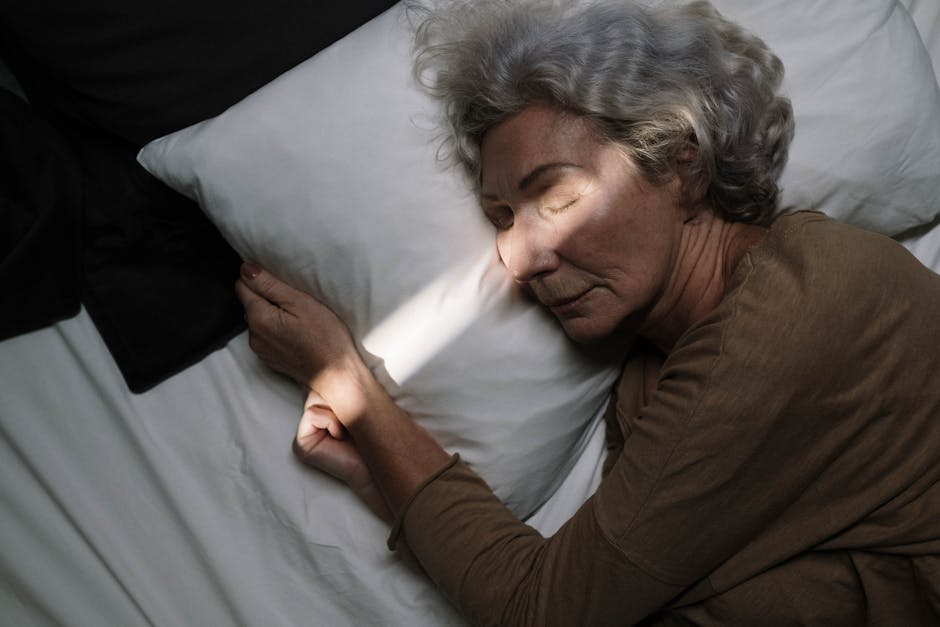
When it comes to achieving peak wellness, how you sleep is just as important as how you move during the day. Ossining, New York, nestled along the Hudson River, is known for its scenic parks, bustling community, and active lifestyles. Whether you're an avid walker at Teatown Lake Reservation or an office worker commuting from the Ossining Metro-North station, supporting your spine while you sleep is key to waking up refreshed and pain-free. As a trusted chiropractor in Ossining, I often address the question: “What are the best sleeping positions for a healthy spine?” Here’s what every Ossining resident should know.
Why Sleeping Position Matters for Spinal Health
Your spine works tirelessly to support you through daily activities, whether it’s hiking at Croton Point Park or simply running errands in downtown Ossining. During sleep, your spine has the chance to recover—if it’s properly supported. Poor sleep positions can contribute to back pain, disrupted sleep, and even long-term health issues.
Optimal alignment reduces pressure on discs and nerves.
Promoting spinal recovery enhances daytime performance—physically and mentally.
The Science of Spinal Alignment at Night
The natural curves of your cervical, thoracic, and lumbar spine need to be maintained as you rest. A misaligned spine at night can lead to:
- Chronic morning stiffness
- Pinched nerves
- Muscle tension and spasms
- Exacerbation of sciatica, common for those who walk Ossining’s hilly streets
A healthy sleeping position keeps your head, shoulders, and hips aligned, supporting the spine’s natural 'S' shape.
The Best Sleeping Positions for a Healthy Spine
1. Sleeping on Your Back
This is widely regarded as the best sleeping position for most people seeking spinal health.
*How it helps:*
Lying on your back distributes your weight evenly across the widest surface of your body, minimizing pressure points and aligning the head, neck, and spine.
*Ossining lifestyle tip:*
If you’ve spent the day exploring Hudson River trails or gardening at the Ossining Organic Community Garden, winding down on your back can help decompress your spine after physical activity.
Expert tip:
- Place a pillow beneath your knees to maintain the lumbar curve.
- Use a supportive pillow under your head to keep your neck neutral.
2. Sleeping on Your Side
Side sleeping is a close second and very popular, especially among Ossining couples and families. It can help reduce snoring and is often recommended during pregnancy.
*How it helps:*
This position keeps the spine elongated and can alleviate lower back and hip pain.
*Ossining lifestyle tip:*
For those who enjoy yoga at Sparta Park or participate in Ossining’s community sports, side sleeping can help muscles recover overnight.
Expert tip:
- Place a firm pillow between your knees to prevent the upper leg from pulling your spine out of alignment.
- Use a pillow that keeps your head and neck aligned with your spine.
3. Fetal Position
Curling up on your side in a loose fetal position can benefit those with herniated discs or pregnant women.
*How it helps:*
This posture can open up the space between vertebrae and relieve pressure on lumbar discs.
Expert tip:
- Don’t curl too tightly; keep your knees bent but not tucked completely into your chest to avoid restricting breathing and circulation.
4. Sleeping on Your Stomach
Generally, sleeping on your stomach is not recommended for spinal health as it puts excess strain on your neck and lower back. However, if this is the only way you can fall asleep, there are ways to minimize the impact.
*How it helps:*
For some people, especially those with certain degenerative disc conditions, stomach sleeping may offer temporary relief.
Expert tip:
- Use a very thin pillow or no pillow at all for your head.
- Place a small pillow under your pelvis to maintain lumbar alignment.
Choosing the Right Mattress and Pillow in Ossining
Your sleep environment is crucial. Ossining residents, with seasonal changes and varying home humidity, should consider:
- A medium-firm mattress to support your body's natural curves.
- Hypoallergenic pillows, especially important during high pollen months on the Hudson.
- Replace your mattress every 7-10 years for optimal spine support.
Local stores in Westchester County often offer in-person fitting sessions—take advantage, especially if chronic pain is an issue.
Small Changes, Big Impact
Incorporating these sleeping position tips can be life-changing, especially when paired with other healthy habits like regular exercise at the Ossining Aquatic Center or brisk walks on the Croton Aqueduct Trail.
Listen to your body. If a position causes pain, adjust it or layer in supportive pillows.
Consider chiropractic adjustments if you frequently wake up with stiffness or discomfort—early intervention can prevent chronic injury.
When to See a Chiropractor in Ossining
Not all pain is resolved by a change in sleeping habits alone. If you consistently wake up with back or neck pain despite optimizing your sleep position, professional evaluation is recommended. Nerve pain, numbness, or tingling are signs to consult your local chiropractor.
Frequently Asked Questions
Q: Is it bad to sleep without a pillow for spinal health?
A: Sleeping without a pillow may be fine for stomach sleepers but can strain your cervical spine if you’re a back or side sleeper.
Q: How often should I replace my pillow?
A: Every 1-2 years, or when it loses its supportiveness.
Q: Are there any nighttime routines recommended in Ossining’s humid summer months?
A: Use moisture-wicking sheets and keep your bedroom cool to reduce muscle tension and improve overall sleep quality.
Conclusion: Sleep Well, Ossining
Quality sleep is a cornerstone of a healthy lifestyle. By focusing on your sleep position, you take an active role in supporting the health of your spine—whether you’re chasing kids around Nelson Park or training for the Ossining 10K. For persistent concerns, consult your local chiropractor to ensure you’re set up for the healthiest nights and happiest mornings possible.
